.png)
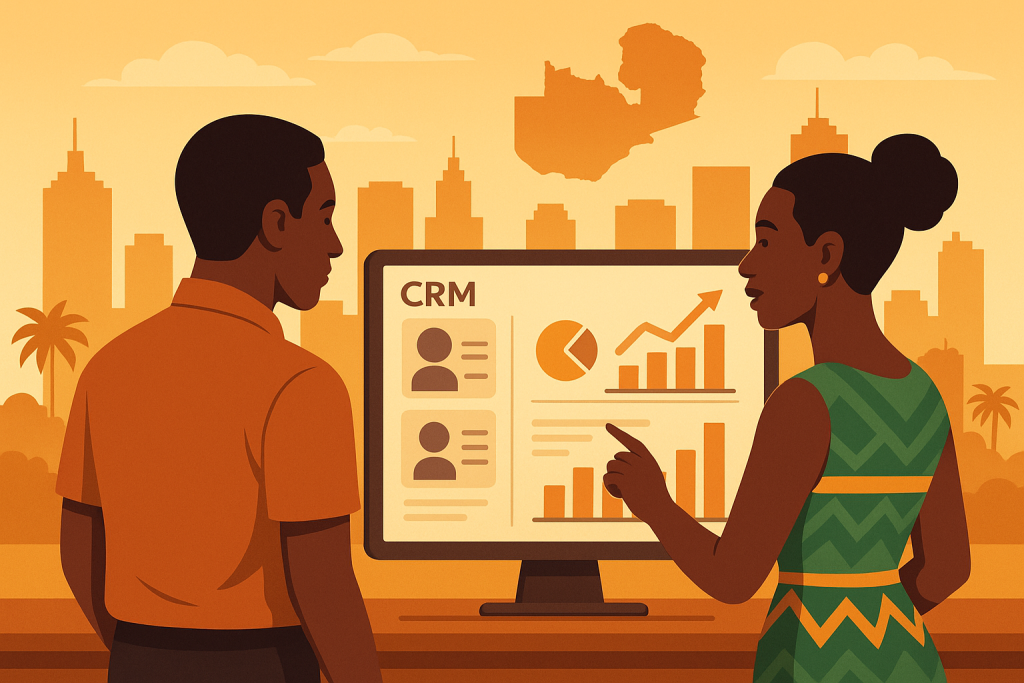
Small and medium-sized enterprises (SMEs) drive Zambia’s economy, yet many owners still rely on intuition rather than data when chasing new markets. Customer Relationship Management (CRM) platforms change that dynamic. By collecting, organising, and analysing every interaction, CRM turns scattered customer information into actionable insight. This article explores how Zambian entrepreneurs can leverage CRM to recognise untapped demand, out-serve competitors, and fuel sustainable growth.
1. Why CRM Delivers a Competitive Edge
1.1 Rich Customer Profiles
CRM centralises contacts, purchase histories, and communication logs. Teams see a 360-degree view of each buyer, allowing customised offers that feel personal rather than generic.
1.2 Data-Driven Decisions
Built-in dashboards track open rates, click-throughs, and conversion funnels in real time. Managers quickly spot which campaigns work, refine weak ones, and allocate budgets with confidence instead of guesswork.
1.3 Seamless Cross-Department Collaboration
Sales, marketing, and support share one source of truth. When a customer raises an issue, everyone—from finance to fulfilment—knows what was promised, ensuring fast, consistent service that builds trust.
2. Building Long-Term Relationships in a Competitive Market
Customers in Zambia increasingly expect brands to recognise their individual needs. CRM makes this possible through:
-
Automated follow-ups: Scheduled reminders ensure no enquiry slips through the cracks.
-
Personalised offers: Historical data reveals buying patterns, enabling targeted upsells that feel helpful rather than pushy.
-
Loyalty tracking: Reward points and satisfaction surveys are logged automatically, highlighting at-risk accounts before they churn.
Proactive engagement boosts retention—far cheaper than acquiring new customers.
3. Turning CRM Insights into Market Opportunity
3.1 Segment Analysis
Filter data by location, age, or spending habits to reveal underserved niches. A Lusaka-based retailer, for instance, might discover Copperbelt shoppers browse often but rarely buy—pointing to a logistics gap it can close with same-day delivery.
3.2 Product-Gap Discovery
Heat-map reports show which product categories drive repeat purchases and which stall. Underperformers can be replaced or re-positioned, while rising favourites inspire complementary lines.
3.3 Trend Forecasting
Machine-learning add-ons spot patterns humans miss—seasonal spikes, bundle preferences, even emerging social-media sentiment—helping entrepreneurs ride waves before rivals notice.
4. Adapting Strategy with Continuous Feedback
KPIs such as lead-to-customer ratio, average deal size, and first-response time update automatically. When numbers dip, owners act immediately—tweaking price points, coaching reps, or revising ad copy—rather than waiting for quarterly reviews.
5. Zambian Success Story: From Stagnation to 35 % Sales Growth
A Lusaka SME selling household goods saw flat turnover despite heavy advertising. After deploying an affordable cloud CRM:
-
Customer segmentation revealed eco-conscious millennials were keen but underserved.
-
The firm introduced eco-friendly product lines and sent targeted email campaigns with personalised coupons.
-
Automated follow-ups converted browsers into buyers and re-engaged lapsed customers.
Within six months, revenue jumped 35 %, and a new “green” segment contributed 18 % of total sales.
Lesson: Detailed data—not bigger budgets—unlocked growth.
6. Preparing for the Future of CRM in Zambia
-
Mobile-first design: Vendors now optimise apps for smartphones, a must in a nation where mobile penetration tops 100 %.
-
AI Integration: Chatbots handle routine queries, freeing staff for high-value tasks. Predictive scoring flags leads most likely to convert, ensuring reps spend time wisely.
-
E-commerce Synergy: Seamless links between CRM and online storefronts provide a single view of customers, orders, and support tickets—essential for omnichannel success.
Entrepreneurs who embrace these shifts early will set the pace for their sectors.
7. Practical Steps to Get Started
-
Map Your Objectives. Decide whether your priority is lead generation, retention, or after-sales service.
-
Choose the Right Platform. Compare SaaS options (e.g., Odoo CRM, Zoho, HubSpot) on price, local integration, and ease of use.
-
Clean Existing Data. Import only accurate contacts to avoid “garbage-in, garbage-out” results.
-
Train Your Team. Invest in workshops so staff actually use the system—adoption is the single biggest success factor.
-
Measure, Refine, Repeat. Set clear KPIs and review dashboards weekly. Adjust tactics quickly to keep momentum.
Conclusion
In Zambia’s fast-moving marketplace, relying on intuition alone is risky. CRM equips entrepreneurs with crystal-clear visibility into who their customers are, what they want, and where new profit pools lie. Those who harness these insights will not only identify market opportunities sooner but also convert them into lasting growth and stronger customer loyalty.