.png)
Zambia presents a growing opportunity for gaming, gambling, and betting entrepreneurs across Africa. With a population embracing digital platforms, expanding smartphone usage, and supportive government structures, Zambia’s gambling sector is evolving into a regulated and investor-friendly market. However, entering the industry legally requires strict compliance with licensing procedures, financial obligations, and operational regulations.
The Growth of the Gambling Industry in Zambia
Over the last decade, Zambia has seen rapid expansion in its gambling ecosystem, especially in online sports betting and mobile gaming. The rise of fintech solutions, mobile money, and increasing urban internet access has enabled companies to launch profitable online gaming platforms and land-based betting shops across major cities like Lusaka, Ndola, Kitwe, and Livingstone.
With this growth, the Zambian government has tightened its regulatory framework to ensure proper oversight, fair play, responsible gambling, and adequate tax revenue collection.
Regulatory Structure for Gaming and Gambling
Primary Regulatory Authorities
Depending on the type of gambling activity, different government agencies are responsible for issuing licenses and overseeing operations:
-
Betting Control and Licensing Board (BCLB): This is the principal body regulating betting shops, sports betting operators, lotteries, and all online gambling platforms in Zambia.
-
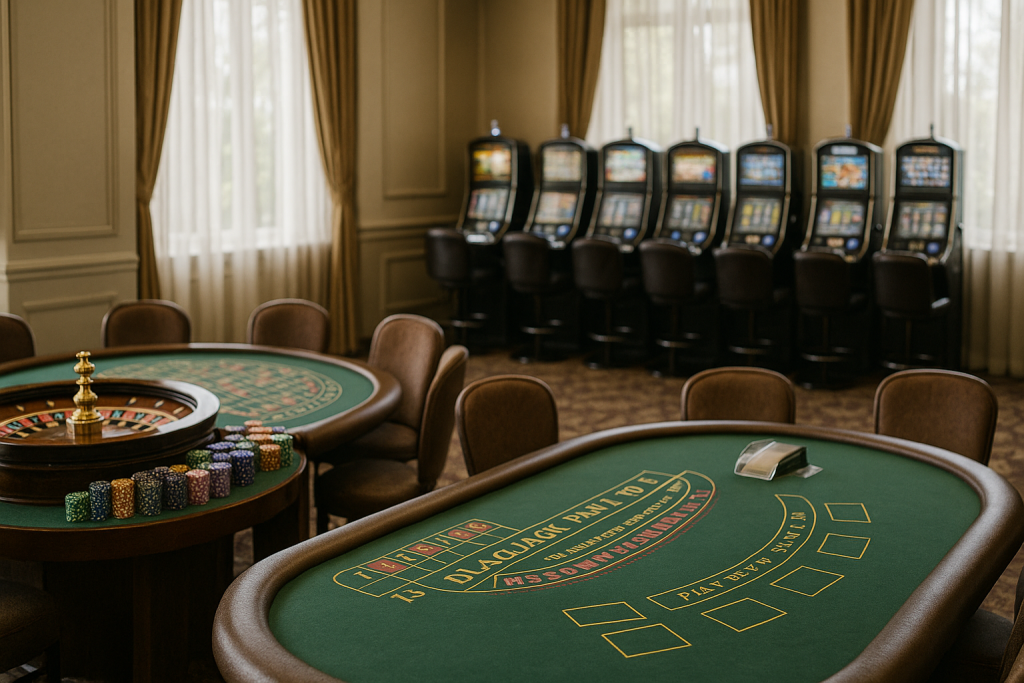
Ministry of Tourism and Arts: Casino operations are governed under this Ministry in line with the Tourism and Hospitality Act. It is responsible for evaluating suitability of physical premises and overall casino operation.
-
Ministry of Finance and National Planning: Oversees tax compliance, revenue reporting, and financial aspects of all gambling and betting businesses.
Core Legislation Regulating the Sector
The gambling sector is governed by several legal frameworks:
-
The Betting Control Act (Chapter 166): Covers betting shops and bookmakers’ operations.
-
The Lotteries Act (Chapter 163): Regulates state and private lotteries.
-
The Pools Act (Chapter 165): Governs pool betting activities.
-
The Gaming Machines (Prohibition) Act: Controls importation and use of gaming machines.
-
The Tourism and Hospitality Act No. 13 of 2015: Regulates casinos and hospitality-integrated gambling activities.
Types of Gaming Licenses Available in Zambia
1. Sports Betting License
-
Land-Based Betting Shops: License fees range up to ZMW 100,000 depending on location, scale, and number of outlets.
-
Online Sports Betting License: More affordable with starting costs of approximately ZMW 20,000. Best suited for tech-focused operators.
-
Validity: Licenses are typically valid for 5 years with renewal required thereafter.
2. Casino License
-
Initial Application Fee: ZMW 150,000 is payable upon application.
-
Annual Renewal Fee: Operators must pay ZMW 50,000 annually to maintain a valid casino license.
-
Additional Operating Costs: Separate charges may apply for each gaming machine or table.
-
Proposed Licensing Reform: Authorities have proposed raising fees to over ZMW 1,000,000 for a 3-year license term, with higher fees for foreign-owned operators to promote local equity.
3. Online Casino / iGaming License
-
Initial Fees: Range between ZMW 500,000 – ZMW 1,000,000 depending on scale and services offered (e.g., poker, slots, roulette, live betting).
-
Renewal Requirements: Annual renewals and tax declarations are required.
-
Taxation: 40% income tax applies to all online gambling and betting revenue streams.
Step-by-Step Licensing Process
Step 1: Define Your Business Model and Responsible Authority
Start by identifying the exact nature of your business—whether you’re offering sports betting, an online casino, a land-based casino, lottery services, or gaming machines.
-
For sports betting, lotteries, or online gambling → Contact BCLB
-
For physical casinos and gaming resorts → Contact Ministry of Tourism and Arts
Ensure your operation type aligns with the specific legislation governing that activity.
Step 2: Prepare All Required Documentation
A. Personal Documents (for all shareholders/directors):
-
Full names and contact details
-
Certified copy of national ID or passport
-
Proof of residency or immigration status in Zambia
-
Police clearance certificate (no history of dishonesty or fraud)
-
Personal CV with prior gaming or business experience
-
Statement of net worth or personal financial declaration
B. Business Documents:
-
Business plan outlining services, market strategy, and competitive analysis
-
Shareholding structure and directorship profiles
-
Partnership agreements, if applicable
-
Proof of minimum required capital
-
Lease agreement or proof of ownership of business premises
-
Architectural layout of gaming premises (for land-based casinos)
C. Financial Requirements:
-
Evidence of funding sources and capital sufficiency
-
Bank statements or escrow account with startup capital
-
Payment of application fees
-
Security bond of at least ZMW 4,000 (betting licenses)
-
Fidelity guarantees or insurance
Step 3: Application Submission
-
Submit application to the relevant authority with all forms, attachments, and fees.
-
All applications must be submitted at least 40 days before intended commencement of operations.
-
Applications are published in the Government Gazette and local newspapers for public scrutiny.
Step 4: Evaluation & Due Diligence
Expect a thorough screening process over a period of 3 to 5 months.
-
Background Checks: Conducted on all shareholders and directors.
-
Site Inspections: If premises are involved, regulators will assess location safety, infrastructure, and compliance with zoning laws.
-
Public Vetting: A 21-day period is granted for public objections or concerns.
-
Board Review: Applications are reviewed at formal regulatory board meetings.
-
“Fit and Proper” Test: Determines whether you and your team are competent, ethical, and qualified to manage a gambling enterprise.
Step 5: License Issuance
If the application is successful, the license is issued with detailed conditions:
-
Stipulated license duration (typically 3 to 5 years)
-
Specific address and scope of operation
-
Any operational or staffing conditions that must be met
-
Responsible gambling obligations
-
Renewal and reporting timelines
Capital and Investment Requirements
To ensure only serious operators enter the market, Zambia imposes strict capital requirements.
Minimum Investment Thresholds
-
Proof of Startup Capital is required for all applicants
-
The government is rolling out location-based restrictions (e.g., distance from schools, churches) for physical casinos
-
Full disclosure of capital sources and bank references is mandatory
Financial Guarantees and Bonds
-
ZMW 4,000 security bond is the minimum for betting shops
-
Larger operations may require higher fidelity guarantees or financial insurance to ensure liabilities can be covered
Ongoing Compliance and Regulatory Obligations
Operating a licensed gambling business is not a one-time effort. Continuous compliance is required to avoid suspension or revocation.
Key Operational Requirements
-
Submit audited financial statements annually
-
Maintain comprehensive player records and transaction logs
-
Conduct regular internal audits and risk assessments
-
Comply with anti-money laundering (AML) and know-your-customer (KYC) regulations
-
Provide player self-exclusion programs and limit settings
-
Enforce strict age limits (18+ only)
Renewal Process
-
Apply for renewal 3 to 6 months before expiration
-
Submit updated documentation, including tax clearance certificates, financial records, and any changes in ownership
-
Failure to renew in time can result in closure and additional penalties
Key Contacts for Licensing and Regulation
Betting Control and Licensing Board (BCLB)
Address: P.O. Box RW62, Lusaka Email/Phone: (Contact details available on government portal) Responsible for: Sports betting, lotteries, online gambling, and betting shops
Ministry of Tourism and Arts
Responsible for: Licensing and oversight of casino operations and integrated gaming resorts Contact: Visit the Ministry’s Licensing Department in Lusaka
Final Thoughts
Zambia is increasingly becoming a hotspot for regulated gambling and gaming operations in Africa. With transparent licensing structures, moderate capital thresholds, and clear regulations, the country provides a viable entry point for both local investors and international gaming brands. However, due diligence, legal consultation, and strict compliance with licensing requirements are essential for long-term success.