.png)
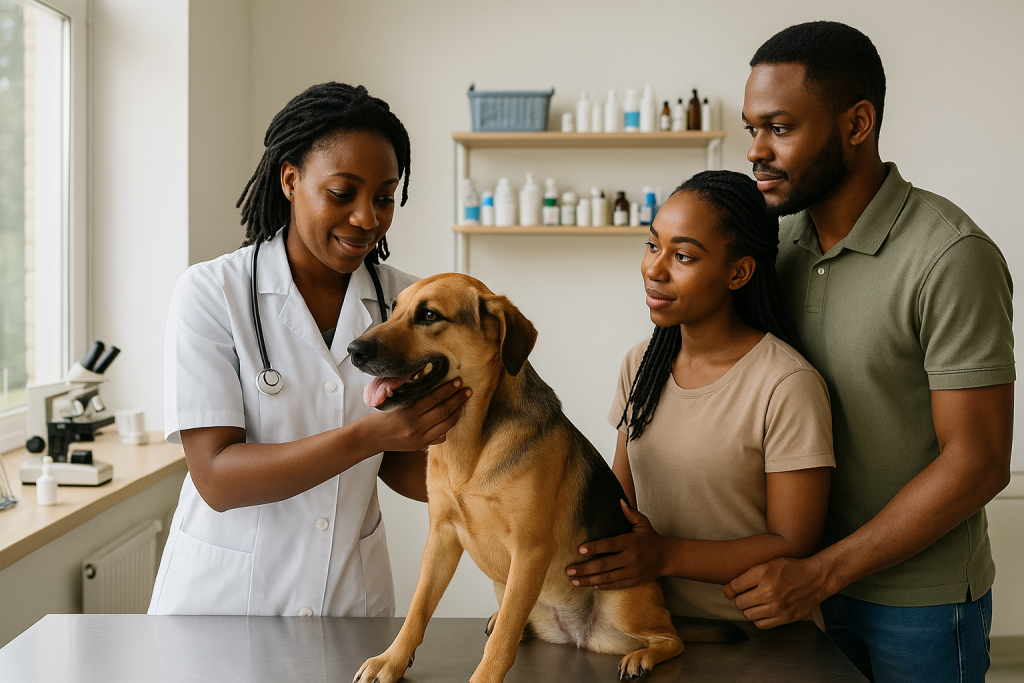
Opening a veterinary clinic is more than finding a good location and stocking up on vaccines. In Zambia, you must satisfy professional licensing rules, facility standards, business regulations, and product-control laws—yet the market is ripe. Pet ownership is climbing, livestock remains an economic pillar, and rural demand for animal health services continues to outstrip supply. This guide walks you through every legal, clinical, and commercial step so you can launch with confidence, stay compliant, and turn a profit.
Why Zambia Needs More Vet Clinics
-
Rising companion-animal numbers: Over the last decade, urban households have doubled their dog and cat ownership.
-
Livestock herd expansion: Zambia’s beef and dairy sectors both posted >5 % growth in 2024, boosting demand for preventive care.
-
Regulatory push for one-health: Government disease-control campaigns now require outreach to farms and wildlife conservancies—creating fresh service opportunities (WPA Zambia).
Bottom line: qualified veterinarians who open clinics—especially outside Lusaka—will likely find a ready market and public-sector partnership prospects.
1. Confirm Your Professional Eligibility
- Hold an approved veterinary degree. Accepted programs include the University of Zambia, University of Nairobi, and institutions listed in the Second Schedule of the Veterinary Surgeons Act (Parliament of Zambia).
-
Application form (download from VCZ)
-
Certified copies of academic transcripts
-
Proof of internship or supervised practice (if required)
-
Registration fee (≈ ZMW 3,500 in 2025) Upon approval, you receive a Certificate of Registration that legally allows you to practise (Parliament of Zambia).
- Maintain annual practising status. Renew your licence each calendar year and complete continuing professional development (CPD) hours set by the Council (Vaz Vet).
Tip: Start the registration process at least 60 days before you intend to open doors; Council meetings are monthly.
2. Secure a Health-Facility Licence
Even after you are personally registered, the clinic itself must hold a facility licence under the Veterinary and Veterinary Para-Professions Act 2010 (Parliament of Zambia).
Core facility requirements
| Standard | Minimum Requirement | Checked by VCZ Inspector | | Premises layout | Separate reception, examination, isolation, and pharmacy areas | ✅ | | Equipment | Basic surgical kit, anaesthesia machine, X-ray or ultrasound access, cold chain | ✅ | | Staffing | At least 1 registered vet; qualified para-professionals for nursing and lab work | ✅ |
Application bundle
-
Completed facility-licence form (Vaz Vet)
-
Floor plan & photos
-
Proof of ownership/lease
-
Fire-safety and waste-management certificates
-
ZMW 7,500 initial licence fee (2025 schedule)
Inspections occur within 14 days of submission. Your licence is valid for 3 years but must be renewed annually via a shorter checklist.
3. Register the Business & Meet Generic Compliance
-
Choose a business structure—most clinics register as a Private Limited Company with PACRA to limit personal liability.
-
Obtain a TPIN from the Zambia Revenue Authority and register for VAT if turnover will exceed ZMW 1 million.
-
Enroll staff in NAPSA and NHIMA.
-
Secure local authority health permits for waste disposal and signage.
Completing these steps early avoids delays in importing medicines or signing supplier contracts.
4. Control of Veterinary Medicines & Biologicals
If you intend to stock or dispense medicines, you must:
-
Register every medicinal product with the Zambia Medicines Regulatory Authority (ZAMRA). Applications include product dossier, cGMP evidence, free-sale certificate, and sample labels (ZAMRA).
-
Keep a controlled-drugs register for anaesthetics and antibiotics.
-
Designate a secure pharmacy area with temperature monitoring.
ZAMRA inspections are separate from VCZ checks, so coordinate both calendars.
5. Work With the Department of Veterinary Services (DVS)
The DVS enforces animal-disease control, quarantine, and wildlife-public-health rules (WPA Zambia). Clinics that treat livestock, wildlife, or export health certificates must:
-
Obtain premises identification for traceability.
-
Follow reporting protocols for notifiable diseases (e.g., rabies, FMD).
-
Apply for import/export permits when handling vaccines or biological samples.
Non-compliance can result in fines or licence suspension.
6. Finance, Fit-Out & Equip Your Clinic
| Expense Category | Typical Cost Range (ZMW) | | Registration & licences | 12,000 – 15,000 | | Renovation & fit-out (100 m²) | 150,000 – 300,000 | | Core equipment | 250,000 – 500,000 | | Opening drug inventory | 70,000 – 120,000 | | Working capital (3 months) | 100,000 – 150,000 |
Costs vary by location and whether you import equipment. Secure at least 30 % of capital as equity; local banks may finance the balance if you show solid cash-flow projections.
7. Market Your New Practice
-
Community outreach: Offer free rabies-vaccination days.
-
Digital campaigns: Run targeted Facebook ads within 15 km of the clinic.
-
Referral network: Partner with livestock agronomists and pet-supply stores.
-
Professional brand: Use consistent colours, responsive website, and educational blog posts to boost SEO for “veterinary clinic Zambia.”
Frequently Asked Questions
How long does the whole process take?** ** With proactive document gathering, you can complete registration and fit-out in 60–90 days. Most delays stem from incomplete facility-licence applications.
Can foreign vets open a clinic?** ** Yes, but you must still register with the VCZ, provide proof of good standing in your home country, and secure a work permit.
Do I need a separate agro-vet shop licence?** ** Only if you retail large volumes of feed additives or agricultural chemicals; otherwise, your clinic pharmacy licence suffices.
Conclusion
Opening a veterinary clinic in Zambia demands meticulous compliance, but the opportunity is significant. Start with personal registration, secure your facility licence, set up a compliant pharmacy, and craft a solid business plan. With these pillars in place, you can deliver high-quality animal health care and build a profitable, respected practice