.png)
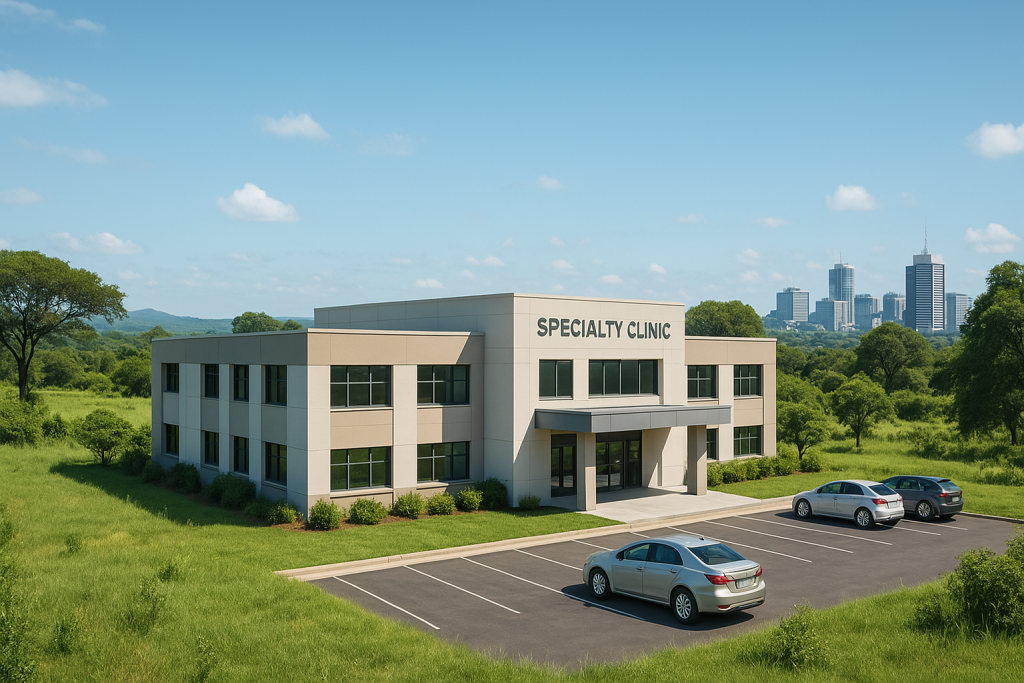
Zambia’s healthcare market is expanding fast. Industry observers estimate local provider revenue will top US $1.2 billion in 2025 and keep growing at roughly 8–9 percent a year. Private investors, hungry for predictable, high-impact returns, are zeroing-in on specialty clinics—small, focused facilities that meet clear gaps in cardiac, dental, eye-care and diagnostic services. Well-run deals in African healthcare routinely deliver 15–25 percent internal rates of return (IRR), making the sector one of the continent’s most attractive consumer-facing bets. (techpoint.africa)
Why Private Capital Is Finally Moving
| Tailwind | Detail | | Government support | Healthcare received K 23.2 billion (≈ US $829 million) in the 2025 budget, up 11 % YoY. (zambiamonitor.com) | | Insurance demand | The National Health Insurance Management Authority (NHIMA) now covers 2 + million Zambians; 52 % of accredited private clinics say NHIMA boosted their patient volumes. (ajol.info) | | Work-force shortage | The country has only 1.81 health workers per 1 000 people—less than half the WHO minimum. (africa.businessinsider.com) | | Return profile | PE managers in Africa still regard 15–25 % IRR as realistic for well-structured healthcare assets. (techpoint.africa) |
Together, these forces create a window in which nimble, niche providers can scale quickly while locking-in long-term insurer contracts.
Four Specialty Niches With Out-Sized Upside
1. Eye-Care Centres
Only 74 facilities nationwide offer any form of ophthalmic service, and rural coverage is thin. Single-specialty eye hospitals need modest theatre space yet can command premium pricing for cataract, glaucoma and refractive surgery. Adding an in-house optical lab or spectacles workshop multiplies revenue.
2. Dental Clinics
Dental care ranks among the top five PE targets globally. Chair utilisation is high, consumable costs are low, and NHIMA reimbursement is prompt. Bundling dental radiography or orthodontics further protects margins.
3. Diagnostics & Imaging
Cardiac echo, MRI, CT and advanced laboratory testing remain concentrated in Lusaka. Patients still fly to Johannesburg or Nairobi for scans. Mid-tier diagnostic hubs in Copperbelt cities can capture this outbound spend while cross-selling to regional hospitals.
4. Cardiovascular & Other High-Need Services
Zambians currently spend US $10 000+ per trip for specialised treatment abroad. Clinics offering cardiology, dialysis, oncology day-care or trauma orthopaedics face pent-up demand and benefit from government fast-track licensing for import-substitution services.
Regulatory Tailwinds You Can Use
-
Priority-Sector Status – Under Statutory Instrument 27/2007, medical, lab and diagnostic ventures qualify for tax holidays and duty rebates on imported equipment.
-
Reduced Licensing Fees – In 2024 the Health Professions Council trimmed registration costs for private operators, cutting red tape for Class A clinics.
-
PPP Momentum – National policy encourages public-private partnerships to relieve burdened state hospitals; this often translates into lease-of-service contracts or co-location opportunities.
Risk Map and Mitigation
| Risk | Practical Response | | Licensing maze | Engage a local regulatory consultant early; build application timelines into your financial model. | | Staff scarcity | Structure equity-linked retention plans for surgeons; partner with universities for fellowship programs. | | Cap-ex overruns | Use modular clinic designs, refurbish rented space, and import pre-owned equipment under duty exemptions. | | Payment delays | Diversify payer mix—NHIMA, private insurers and out-of-pocket—and negotiate settlement guarantees. |
Financial Returns and Exits
Africa-wide data put healthcare behind only telecoms, FinTech and FMCG for consumer-sector IRR, averaging 9.6 percent, with top-quartile specialty plays clearing 20 percent. Trade sales remain the dominant exit route—global hospital chains, regional insurers and MedTech distributors all pursue bolt-on clinical networks. Secondary buy-outs are rising as funds recycle capital into larger pan-African platforms.
Five-Step Market Entry Playbook
-
Pick one anchor specialty—eye, dental or dialysis—then add adjacent services after 18 months.
-
Secure NHIMA accreditation before launch to guarantee baseline volumes.
-
Co-locate inside mixed-use medical parks to share imaging, power and security overheads.
-
Layer digital health (tele-consults, e-pharmacy) to reach rural patients and collect data for value-based contracts.
-
Invest in training—fund postgraduate slots or overseas fellowships to lock-in scarce talent.
Outlook
Demand is real, competition remains thin, and policy keeps tilting toward private solutions. Investors who bring operational discipline, patient-centred quality and a clear growth path can deliver strong profits and close Zambia’s most critical care gaps.