.png)
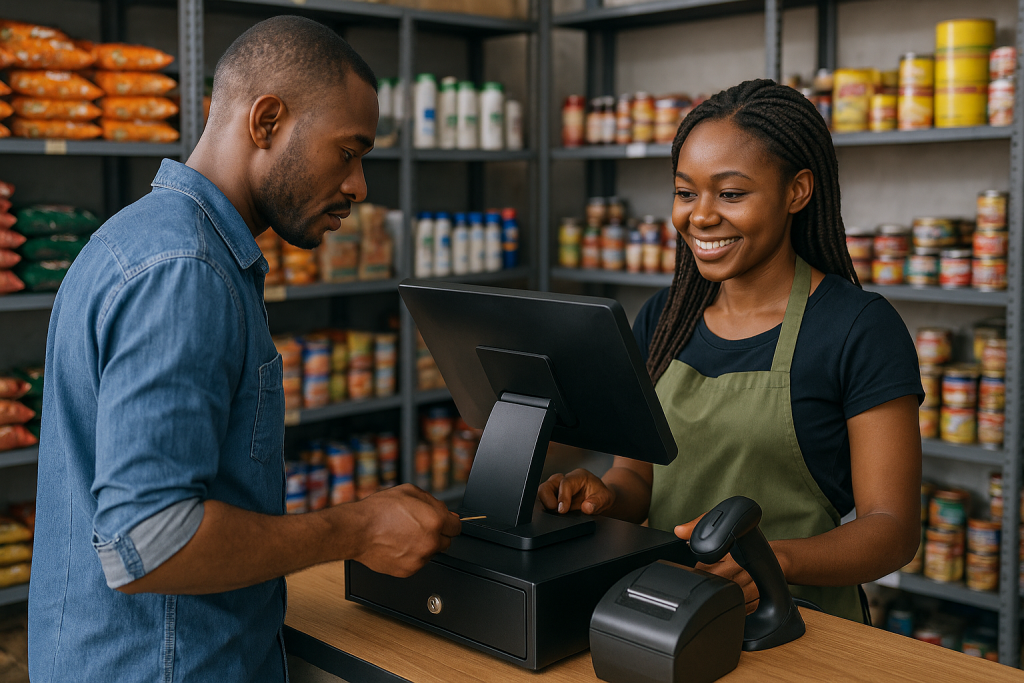
Small and Medium Enterprises (SMEs) in Zambia face serious challenges in inventory management, particularly concerning losses and theft that directly affect profitability. A 2023 study on a local department chain store recorded inventory losses exceeding K35,973.81 over just six months—highlighting how shrinkage can erode business viability【2】. With digital transformation gaining momentum, Point of Sale (POS) software is emerging as a game-changer for Zambian SMEs. It offers real-time tracking, automated monitoring, and audit trails that can detect and prevent inventory loss before it becomes a crisis.
This article explores how POS software can help Zambian entrepreneurs reduce losses, increase control, and boost long-term business sustainability.
Common Inventory Management Challenges in Zambian SMEs
Many Zambian SMEs still rely on manual stock management—often involving family-run operations with limited managerial experience. According to recent data, 85% of surveyed SMEs agree that lack of technology negatively impacts their operations【8】. Manual records are vulnerable to administrative errors, unrecorded shrinkage, and undetected theft.
These issues have been further magnified by the COVID-19 pandemic, which disrupted supply chains and revealed the vulnerability of businesses without digital infrastructure. The result? Poor stock accountability, frequent product shortages, and mounting losses.
Understanding Inventory Shrinkage in Zambia
Inventory shrinkage is typically caused by:
-
Employee theft** **
-
Shoplifting** **
-
Administrative errors** **
-
Vendor fraud** **
A study at a Zambian department store revealed that all these contributed to losses over K35,000 in half a year【2】【9】. Employee theft and shoplifting are particularly damaging, especially without surveillance or audit systems. Errors in pricing, counting, or recording also cause significant discrepancies.
Understanding these sources is the first step to designing a POS-based solution that addresses each one directly.
Key POS Features That Improve Inventory Control
POS systems are not just for processing payments. They can:
-
Track stock levels in real time** **
-
Detect unusual activity or shrinkage patterns** **
-
Provide barcode scanning for accuracy** **
-
Link inventory movements to individual employees** **
-
Support multi-location inventory control** **
Some POS tools also offer:
-
CRM integrations for personalized stock management
-
Bulk import/editing options for large inventories
-
Low-stock alerts and auto-replenishment prompts** **
These features are essential for SMEs with minimal staff or those transitioning from paper-based records to digital systems.
Real-Time Tracking and Theft Detection
With POS software, Zambian businesses can now:
-
Monitor inventory changes immediately after every sale
-
Detect if items go missing without a recorded sale
-
Set low-stock alerts to avoid unintentional loss
-
Catch suspicious activities like frequent voids or manual discounts
POS systems with barcode scanning or weight verification can also catch attempts to swap tags or manipulate product pricing. These functions can significantly reduce losses due to fraud.
The Power of Audit Trails
Every POS transaction creates a digital fingerprint:
-
Timestamp
-
Employee ID
-
Transaction type (e.g., sale, return, void)
-
Price, discount, and inventory adjustments
This creates a tamper-proof audit trail that managers can use to:
-
Investigate losses
-
Review suspicious employee behavior
-
Maintain accountability across shifts
Even for small retailers, this data-backed transparency drastically improves theft prevention.
Integrating POS with Security Systems
Modern POS platforms integrate with:
-
CCTV and video surveillance** **
-
AI-powered cameras** **
-
Weight sensors** **
-
Receipt-locked exits** **
These technologies automatically sync transactions with video footage, allowing business owners to quickly review any flagged incidents. Systems can even prevent customers from leaving the store if their transaction isn’t verified.
For stores with self-checkout or minimal staff, these integrations are critical to cutting down on theft.
Staff Accountability and Role-Based Permissions
POS systems allow you to:
-
Assign unique logins to each employee
-
Monitor each cashier’s activity
-
Set permission levels for refunds, discounts, or stock edits
This ensures that junior staff can’t approve refunds or adjust prices unless authorized. POS software also supports:
-
Training dashboards** **
-
Suspicious behavior alerts** **
-
Anonymous reporting tools to flag internal fraud
This builds a culture of trust and accountability while protecting your bottom line.
Implementation Strategy: Cost vs. Benefit
While adopting POS systems comes with upfront costs, the return on investment can be significant. A single store lost over K35,000 in six months due to shrinkage—easily justifying the cost of a reliable POS solution【2】.
Cost-effective options exist:
-
Cloud-based POS systems with monthly subscriptions
-
Smartphone-compatible apps** **
-
Affordable hardware packages tailored for SMEs** **
Many Zambian businesses have started adopting POS thanks to growing mobile money use and increased internet access.
Offline Functionality and Payment Flexibility
In areas with poor connectivity, POS systems with offline functionality can:
-
Store transactions locally
-
Sync when internet returns
-
Avoid disruptions during outages
Top-tier POS software in Zambia now supports:
-
Airtel Money, MTN MoMo, and Zoona
-
Visa and Mastercard payments
-
QR code or USSD-based sales
This is critical for rural businesses or informal SMEs scaling into the formal economy.
Conclusion
For Zambian SMEs, POS software is no longer a luxury—it’s a survival tool. With inventory shrinkage causing serious financial losses, a digital, traceable, and real-time system provides the control businesses need to thrive in a competitive market. Whether it’s detecting employee theft, identifying stock errors, or flagging unusual transactions, a smart POS setup can radically reduce losses and restore confidence in your operations.
SMEs that adopt these systems are better equipped to grow, serve customers efficiently, and ensure long-term profitability in Zambia’s fast-digitizing economy.