.png)
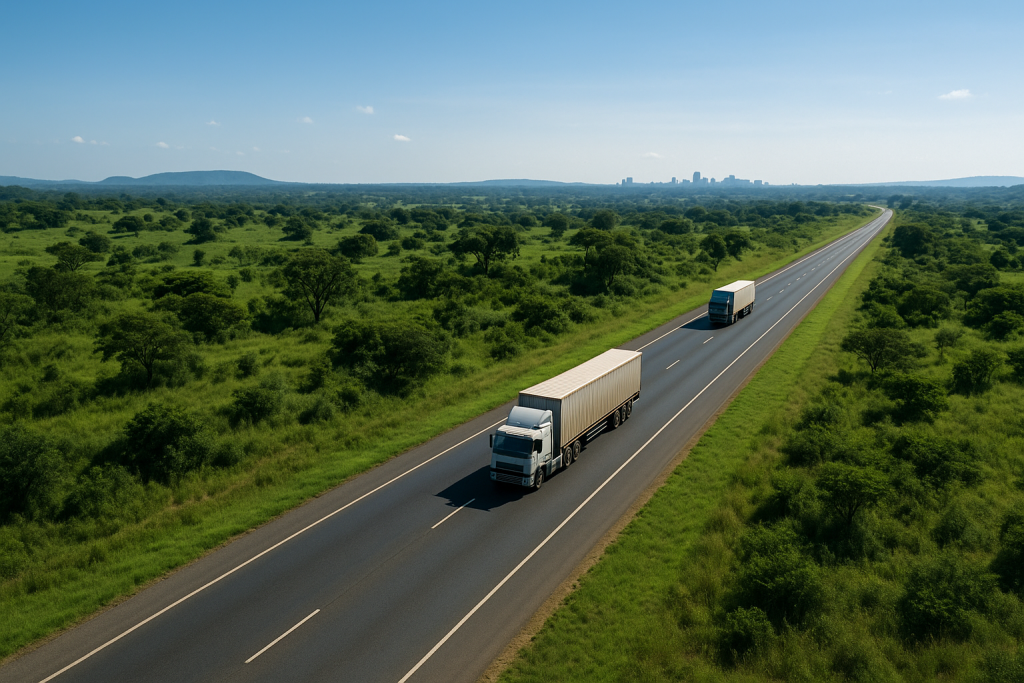
In Zambia’s fast-growing transport and logistics sector, every kwacha spent on fuel, labour, and vehicle maintenance eats into already-tight margins. Route optimization software changes that equation. By turning raw distance, traffic, weather, and delivery-time data into efficient routes, the technology helps firms cut operational costs while delighting customers—without adding more trucks or drivers.
Reduced Fuel and Operational Costs
Fuel can swallow 25–30 % of a Zambian logistics firm’s operating budget. When a platform recalculates the most efficient sequence of stops, two things happen: engines idle less and tyres roll fewer kilometres. Even trimming 10 unnecessary kilometres per truck each day on a 50-vehicle fleet saves thousands of dollars every month—money that can instead fund growth or cushion rising diesel prices.
Because the software updates routes in real time, drivers avoid traffic jams on Kafue Road or pothole-ridden detours that raise both fuel burn and frustration. Over a year, those incremental gains become a sizeable competitive advantage.
Improved Fleet and Resource Utilisation
Traditional dispatchers often plan “by eye,” leaving half-full trucks to criss-cross Lusaka or the Copperbelt. Route optimization platforms group deliveries so each vehicle departs near maximum capacity. As a result, you:
-
Complete more drops per shift without new hires.
-
Reduce overtime pay because shifts finish on schedule.
-
Lower total kilometres driven—extending service intervals and tyre life.
Dynamic re-routing also keeps the schedule tight when a customer cancels late or a road closes unexpectedly. Instead of phone calls and guesswork, the system reshuffles stops in seconds, turning potential chaos into calm efficiency.
Faster Deliveries and Happier Customers
Better routes mean shorter lead times. Couriers can promise—and hit—same-day or next-day delivery windows even in congested urban areas. Accurate, automatically generated ETAs reduce failed deliveries, because customers know exactly when to expect a driver. Fewer re-delivery attempts slash fuel costs further and protect fragile client relationships.
Moreover, proof-of-delivery photos and e-signatures captured on the driver app sync instantly with the back office. Clients see a professional service; your team sees lower “Where’s my order?” call volumes.
Lower Maintenance Costs and Greener Operations
Every unnecessary kilometre accelerates wear on engines, brakes, and tyres. By shaving distance, optimization software extends fleet lifespan and pushes expensive overhauls further into the future. Less time in the repair bay keeps more vehicles on the road, generating revenue rather than invoices.
There is also a sustainability win. Fewer kilometres equal fewer emissions. For shippers demanding greener supply chains—or emerging environmental regulations—your firm can offer verified carbon-reduction metrics, not vague promises.
Actionable Data for Continuous Improvement
Modern platforms don’t stop at route calculation. They log timestamped data on distance travelled, stop duration, fuel consumption, and driver performance. Dashboards turn that raw information into clear key performance indicators:
-
Cost per kilometre by vehicle and route
-
On-time delivery rate by customer segment
-
Fuel variance highlighting inefficient driving habits
Managers spot patterns in minutes and can test fuel-saving driver training, preventive-maintenance schedules, or different vehicle mixes with confidence backed by hard numbers.
Competitive Edge in Zambia’s Tightening Market
Rising diesel prices, congested urban corridors, and growing e-commerce volumes have increased pressure on Zambia’s courier, mining-supply, and FMCG delivery firms. Companies that still rely on static spreadsheets or manual map checks struggle to keep up. By adopting SaaS route optimization and automated dispatch tools in 2025, local operators can:
-
Maintain healthy margins despite inflationary fuel costs.
-
Offer precise ETAs that global clients now expect.
-
Re-deploy back-office staff from manual planning to higher-value analytics.
In short, software-driven firms will out-deliver and out-price competitors still planning by gut feel.
A Practical Implementation Roadmap
-
Audit your current operation. Measure average kilometres per drop, on-time performance, and fuel spend to set a baseline.
-
Choose the right platform. Prioritise solutions that integrate with existing transport-management or ERP systems and support offline mobile coverage for rural routes.
-
Pilot with a single depot. Run parallel plans—manual versus software—for four weeks and compare KPIs.
-
Train drivers and dispatchers. Simple mobile apps and clear “why this matters” sessions speed adoption.
-
Roll out in phases. Add depots or business units only after you lock in early wins.
-
Review KPIs monthly. Use the platform’s analytics to tweak delivery windows, driver incentives, and maintenance schedules.
-
Market the sustainability story. Share verified emission-reduction numbers with customers to strengthen bids and brand image.
Conclusion
For Zambian transport and logistics firms, route optimization software isn’t a luxury—it’s a survival tool. It slashes fuel costs, boosts fleet utilisation, delights customers, and lowers carbon footprints. The sooner companies embed data-driven routing into daily operations, the sooner they convert thin margins into sustainable profits.