.png)
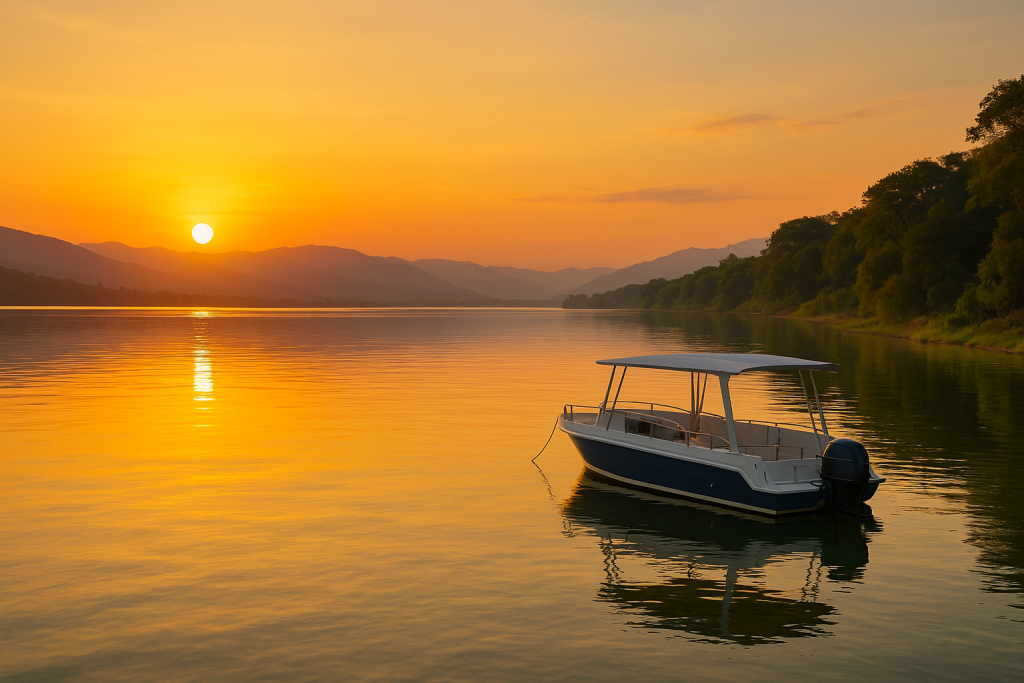
Lake Kariba and the Lower Zambezi River are two of Southern Africa’s most spectacular waterways. Starting a boat cruise or fishing charter business on Lake Kariba or the Lower Zambezi lets you tap into a fast-growing tourism niche that blends wildlife, scenery, and world-class angling. This guide walks you through the opportunity, the licences you’ll need on both the Zambian and Zimbabwean sides, practical startup steps, and proven marketing tips.
1. Why the Market Looks Bright
1.1 Lake Kariba
-
Year-round boating weather, dramatic sunsets, and resident wildlife create nonstop photo-ops.
-
Rising demand for private houseboat safaris and bespoke cruises among families and high-end groups.
-
Tigerfish, bream, and tilapia angling draw specialist anglers during peak seasons (Mar–Apr, Sep–Dec).
1.2 Lower Zambezi
-
Globally recognised for record-size tigerfish.
-
Combines river safaris, birding, and big-game sightings (elephant, hippo, buffalo) with guided fishing.
-
Luxury lodges partner readily with charter skippers to offer all-inclusive adventure packages.
Bottom line: Tourist arrivals to Zambia and Zimbabwe rebounded strongly in 2024 and are projected to climb 8–10 % through 2027, with nature-based tourism leading that growth.
2. Licence & Compliance Checklist
| Jurisdiction | Key Permits | Lead Agencies | Typical Fees* | | Zambia (Kariba + Zambezi) | – Sport/commercial fishing licence – Boat inspection & safety certificate – Zambia Tourism Agency (ZTA) registration | Dept. of Fisheries, Maritime Dept., ZTA | Fishing (sport) ≈ 13,800 ZMW / yr; commercial 11,111–27,777 ZMW | | Zimbabwe (Kariba) | – Vessel registration & survey (Inland Waters Shipping Act) – Parks and Wildlife fishing licence – Tourism operator licence & grading | ZimParks, Ministry of Transport, Zimbabwe Tourism Authority | Fishing (sport) ≈ US$10/day; vessel survey ≈ US$200–500 | | *Fees vary by boat size, engine power, and licence category. | | | |
Pro tips
-
Register any houseboat or pontoon in the flag state where it will spend the most time.
-
Budget two to three months for cross-border paperwork if your fleet will operate on both shores.
-
Join local boating associations; they streamline annual inspections and keep you informed about rule changes.
3. Proven Revenue Models
| Model | Who It Attracts | What to Offer | Add-On Upsells | | Houseboat Cruises | Families, corporates, photographers | Multi-day full-board itineraries, island sleep-outs | Spa treatments, onboard chef, air-charter transfers | | Fishing Charters | Hard-core anglers, incentive groups | Day or multi-day tiger-fishing with pro guides | High-end tackle rental, catch-and-release video packages | | Private Boat Hire | Couples, small celebrations | Half-day or sunset cruises | Champagne brunch, drone footage | | Scheduled Group Cruises | Budget travellers, solo tourists | Fixed route, seat-in-boat departures | Park entry tickets, cultural village tours |
4. Step-by-Step Startup Plan
-
Market Validation – Shadow existing operators, analyse TripAdvisor reviews, and talk to lodge managers.
-
Choose Your Niche – Decide whether to emphasise luxury overnight cruises, hardcore sport fishing, or quick-turnover sunset trips.
-
Company Registration – Incorporate with PACRA (Zambia) or the Companies Registry (Zimbabwe). Open a multicurrency bank account to handle USD and ZMW sales.
-
Secure Licences – Apply for fishing, tourism, and vessel permits in tandem to avoid idle months.
-
Acquire & Survey Boats – Source ≤ 10-year-old hulls; insist on pre-purchase marine surveys to cut refit costs.
-
Hire Crew – Recruit skippers with STCW or local equivalent certificates plus guides who know tigerfish behaviour.
-
Equip for Safety & Comfort – Lifejackets, GPS, VHF, and first-aid kits are mandatory. Add shaded decks, cold storage, and clean ablutions for comfort.
-
Set Your Rates – Benchmark against top-rated operators; bundle lodging, meals, and fuel into one clear per-person price.
-
Build an image-rich website with instant booking.
-
Partner with lodges and travel agents for commissions ≈ 20 %.
-
Run themed social campaigns (#KaribaSunset, #HookedOnZambezi).
- Go Green & Give Back – Adopt catch-and-release policies, biodegradable cleaning agents, and community donations to strengthen your eco-brand.
5. Operational Tips for Year-One Success
-
Seasonality – Promote birding cruises in the wet (Jan–Mar) low-season to balance cash-flow.
-
Fuel Logistics – Store bulk diesel at a secure marina depot; Kariba’s remote bays lack fuel stations.
-
Customer Experience – Offer complimentary Wi-Fi and photo downloads; guests love instant social sharing.
-
Reviews Drive Bookings – Encourage guests to post reviews before leaving the boat; provide QR codes that link to your TripAdvisor page.
-
Insurance – Carry hull, passenger liability, and evacuation cover, even if not strictly enforced.
6. Common Challenges & How to Beat Them
Regulatory Delays – Hire a local agent to shepherd your files through multiple ministries. Rising Competition – Differentiate with smaller group sizes and gourmet menus. Extreme Weather – Build flexible itineraries; offer refund credits if water levels become unsafe. Skills Shortage – Sponsor skippers through training in return for multi-year contracts.
Conclusion
With breathtaking scenery, exhilarating tiger fishing, and a recovering tourism sector, Lake Kariba and the Lower Zambezi represent fertile ground for a well-planned boat cruise or fishing charter venture. Nail the paperwork, invest in first-class vessels and crew, and tell a compelling eco-story. Do that, and you’ll ride the wave of demand for authentic, water-based African adventures.