.png)
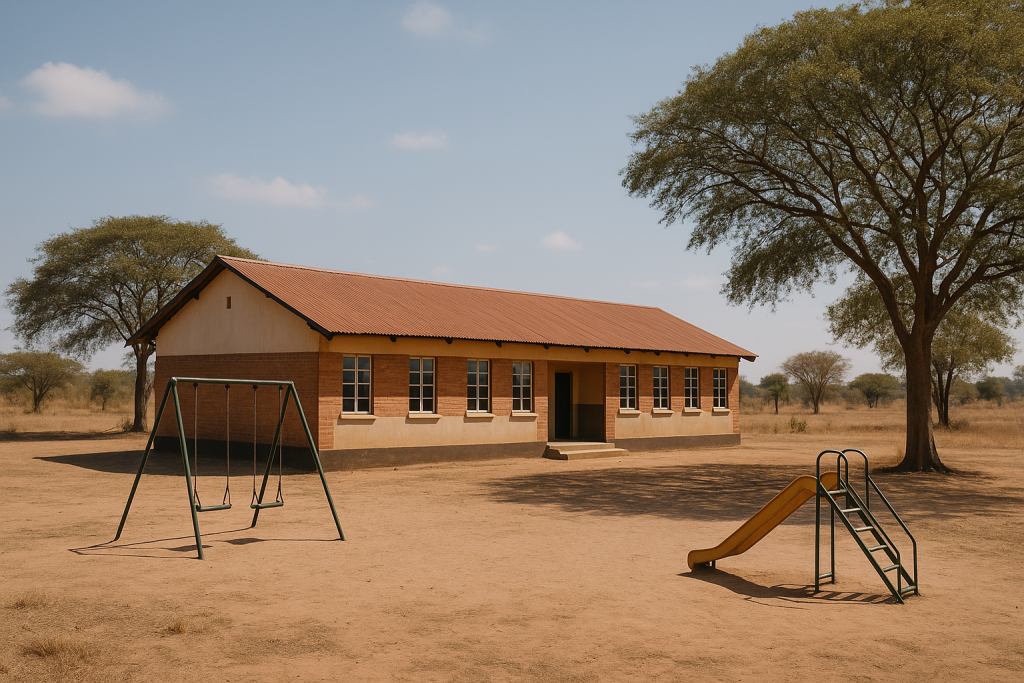
Establishing an international school in Zambia offers promising opportunities for entrepreneurs eager to invest in the nation’s educational sector. This guide provides a detailed pathway, incorporating essential business practices, relevant research, and statistics to aid small and medium enterprises (SMEs) or foreign investors entering the Zambian market.
Understanding the Educational Landscape
Before launching an international school, comprehending Zambia’s educational context is critical. With a growing population and increasing demand for quality education, the nation presents a fertile ground for educational ventures.
In Zambia, about 30% of the population is aged 0-14, underscoring substantial demand for educational services. However, government schools often face challenges, such as overcrowding and resource limitations, thus paving the way for private educational institutions.
Moreover, the international school’s modern curriculum and global exposure appeal to many Zambian families who aspire for a higher standard of education for their children. Carefully understanding these dynamics allows entrepreneurs to tailor their business strategies effectively.
Furthermore, leveraging data from the Ministry of Education can offer insights into enrollment rates, preferred curriculums, and areas requiring educational infrastructure. Therefore, thorough market research is essential before making investment decisions.
Navigating Legal and Regulatory Requirements
Licensing and Accreditation
Establishing an international school in Zambia requires compliance with several legal and regulatory frameworks. Initial steps involve registering the business with the Patents and Companies Registration Agency (PACRA). Upon successful registration, seeking approval from the Ministry of Education is mandatory.
Accreditation from internationally recognized bodies, such as the International Baccalaureate Organization, bolsters the school’s credibility. It is important to engage with legal professionals familiar with Zambian regulations to navigate this process.
Compliance with Local Laws
Operating within the legal framework includes adhering to labor laws, health and safety standards, and educational guidelines. Securing permits from local authorities, such as the Zambia Environmental Management Agency (ZEMA) for building infrastructure, is crucial.
Involving local experts in the workforce ensures compliance and helps in building a school culture that resonates with Zambian values, thereby fostering community trust.
Designing a Suitable Curriculum
Integrating Local and Global Elements
To appeal to both local and expatriate populations, the curriculum should reflect both global education standards and the local cultural context. Ensuring cultural sensitivity, while providing a world-class educational framework, is key to attracting a diverse student body.
Entrepreneurs should consider curriculums like the International Baccalaureate or Cambridge International Examinations. These programs offer globally recognized qualifications, which appeal to parents seeking quality education for overseas opportunities.
Utilizing Technology in Education
In today’s digital age, integrating technology into the curriculum is no longer optional. Entrepreneurs should invest in modern educational technologies to enhance learning experiences.
Considering Zambia’s technological infrastructure, blended learning models can balance between traditional classroom settings and online resources, ensuring students benefit from a comprehensive educational approach.
Establishing Financial Viability
Funding and Investment Strategies
Capital acquisition is pivotal in establishing an international school. Entrepreneurs can explore various funding avenues, including personal investment, partnerships, or bank loans.
Moreover, considering the engagement of venture capitalists or educational grants from international organizations can provide the funding necessary to kickstart the project.
It is essential to develop a robust financial plan, incorporating both short-term and long-term financial goals to ensure the school’s sustainability.
Marketing and Enrollment Strategies
Building a strong brand presence in the community is imperative. Entrepreneurs should implement targeted marketing strategies, leveraging social media, local networks, and educational fairs to increase visibility.
The school’s unique selling proposition (USP), such as bilingual curriculums or co-curricular activities, should be highlighted to attract prospective students.
Additionally, setting competitive tuition rates, while maintaining financial sustainability, can appeal to a wide range of families in the region.
Conclusion
By carefully analyzing the educational landscape, adhering to legal frameworks, designing a suitable curriculum, and ensuring financial viability, entrepreneurs can establish a successful international school in Zambia. This comprehensive approach not only meets current educational demands but also fosters long-term sustainability and community development.