.png)
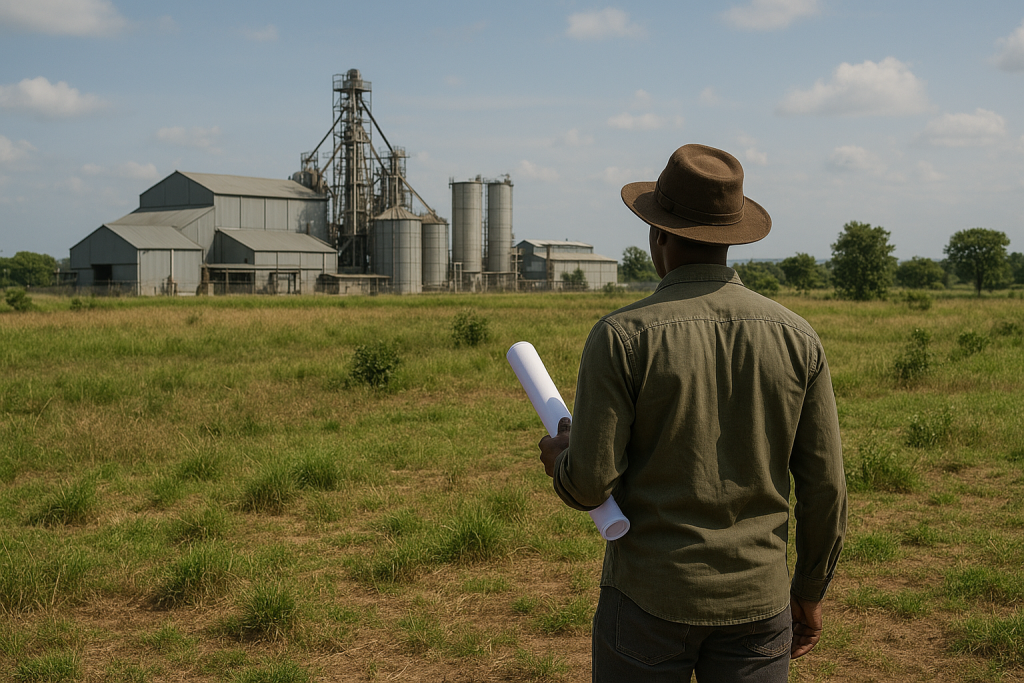
The role of industrial land acquisition holds significant importance for scaling African SMEs. In Zambia, these opportunities are crucial for sustainable growth. This strategic move aids local enterprises in expanding their operations. As a result, it fosters economic development, encouraging foreign and local investment.
The Importance of Land Acquisition for SMEs
Industrial land acquisition in Zambia serves as a foundation for SME growth. Industrial complexes house numerous manufacturing ventures. SMEs benefit from access to resources and networking opportunities. Having a physical space helps these businesses expand their production capabilities. Entrepreneurs should prioritize strategic land acquisition as a key goal.
Facilitating Business Growth
By acquiring industrial land, SMEs can foster business growth. Physical space allows companies to scale production and innovate. Increased operations lead to more job opportunities and economic contributions. Therefore, the right property can significantly impact a company’s growth trajectory.
Networking and Collaboration Opportunities
Industrial zones offer SMEs networking advantages. Companies situated within close proximity benefit from collaboration. These zones provide access to potential partners and suppliers. Additionally, such networking can lead to shared resources, minimizing costs. This environment enhances business opportunities for all involved.
Strategies for Sustainable Land Acquisition
For Zambian SMEs, sustainable land acquisition requires strategic planning. Identifying suitable locations is crucial for success. Local governments offer incentives to attract businesses. These incentives could include tax breaks and infrastructure development. Researching and understanding these benefits aids decision-making.
Factors Influencing Land Acquisition
Several factors impact industrial land acquisition. Accessibility, infrastructure, and market demand are key considerations. Zambian SMEs should assess these factors when planning their acquisitions. For example, proximity to transport networks or raw materials could influence site selection.
Partnering with Local Authorities
Collaborating with local authorities can facilitate smoother acquisitions. Partnerships can lead to better understanding of regulatory requirements. Additionally, support from local authorities may ease the bureaucratic process. This collaboration can significantly reduce transactional barriers for SMEs.
Challenges in the Land Acquisition Process
While opportunities abound, Zambian SMEs face challenges in land acquisition. High costs and complex regulations often become obstacles. SMEs must navigate financial constraints amid these hurdles. Understanding these challenges is essential for executing efficient strategies.
Financial Constraints
Many Zambian SMEs encounter financial limitations. Land acquisition costs are high, deterring smaller enterprises. Exploring various financing options is crucial. This includes government grants, loans, or partnerships with investors. Tailored financial solutions can alleviate these constraints effectively.
Regulatory and Bureaucratic Challenges
Complex regulations pose a challenge for SMEs. The land acquisition process often involves navigating intricate legalities. SMEs should seek professional guidance to comprehend these requirements. Streamlining processes and obtaining necessary permits is essential for success.
Leveraging Industrial Land for Competitive Advantage
Industrial land acquisition provides SMEs with a competitive edge. This advantage results from operational efficiencies and proximity to markets. Strategically located businesses are better positioned to meet customer demands. Consequently, these advantages help Zambian SMEs capture market share and grow sustainably.
Enhancing Operational Efficiency
Ownership of industrial land enhances operational efficiency. Control over property allows businesses to optimize layouts. Efficient layouts reduce production times and related costs. Hence, strategic acquisitions can directly contribute to better profitability.
Increasing Market Access
Proximity to key markets is a vital advantage of land acquisition. SMEs positioned near their target audience can respond quickly. This immediate access enhances customer service and satisfaction. Ultimately, it solidifies business reputations and encourages growth.
Conclusion
In conclusion, industrial land acquisition plays a pivotal role in scaling African SMEs. For Zambian enterprises, strategic land acquisition offers numerous benefits. It provides opportunities for collaboration, growth, and competitive advantage. As a strategic asset, it aids in overcoming challenges and ensuring sustainability.