.png)
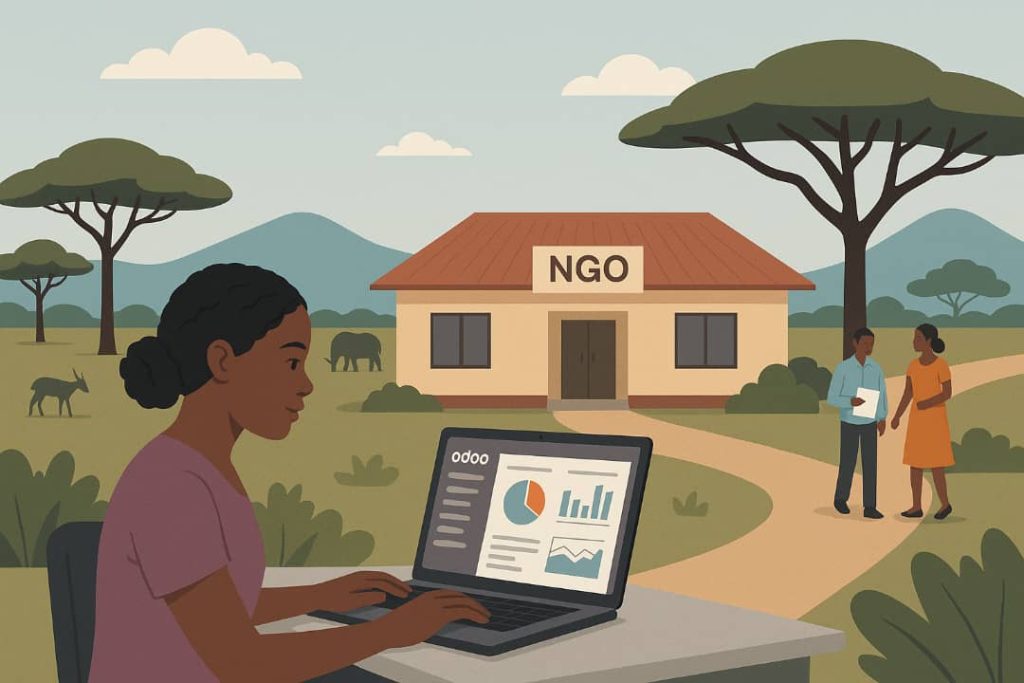
Non-governmental organizations (NGOs) in Zambia face mounting pressure to demonstrate financial transparency and operational efficiency. By adopting Odoo for NGOs in Zambia, organizations can streamline workflows, improve stakeholder reporting, and safeguard donor funds. In this article, we explore how Odoo’s modular ERP system empowers NGOs to achieve greater accountability while maximizing impact.
Understanding Odoo’s Modular Structure
Odoo is an open-source enterprise resource planning (ERP) suite that lets NGOs pick only the modules they need. This flexibility keeps costs down and avoids feature bloat. Your team can combine finance, project management, CRM, human resources, and inventory modules into one unified platform. As a result, data stays consistent across departments, reducing manual errors and information silos.
Why Modular Design Matters
-
Cost-effective deployment: Activate only essential apps to match your budget.
-
Scalable growth: Add new modules—such as grant management—as your programs expand.
-
User-driven customization: Tailor forms and workflows to local reporting requirements.
Boosting Financial Transparency
Clear accounting practices lie at the heart of donor confidence. Odoo’s Finance module provides:
-
Real-time dashboards: Visualize incomes, expenses, and budget variances at a glance.
-
Automated journal entries: Every transaction—from petty cash disbursements to grant receipts—is captured and reconciled without double-entry mistakes.
-
Audit trails: Every change in the ledger logs user, timestamp, and action details.
In practice, NGOs using ERP systems report up to a 40% improvement in financial clarity, enabling faster board approvals and fewer external queries.
Project Management for Impactful Delivery
Managing multiple community projects demands rigorous planning and monitoring. Odoo’s Project Management module helps you:
-
Plan tasks and milestones: Assign responsibilities, set due dates, and visualize progress on Kanban boards.
-
Allocate resources: Track volunteer hours, equipment usage, and material consumption in real time.
-
Generate progress reports: Produce automated status updates for donors by combining time-logs with budget spend.
By improving project oversight, NGOs can complete initiatives on time and under budget, boosting credibility.
Strategic Module Selection
Not every NGO needs every feature at launch. Follow these steps to choose wisely:
-
Conduct a needs assessment: Interview program leads to identify pain points—whether in grant tracking or volunteer coordination.
-
Prioritize high-impact areas: Start with finance and project management; add CRM if donor outreach is lacking.
-
Pilot and iterate: Roll out modules to a small team, collect feedback, and refine configurations before organization-wide deployment.
Ensuring Staff Readiness Through Training
Even the best software fails without competent users. Invest in:
-
Hands-on workshops: Use real data to simulate day-to-day tasks.
-
Role-based tutorials: Deliver separate sessions for finance officers, project managers, and field staff.
-
Ongoing support channels: Establish an internal helpdesk or enlist an Odoo partner for troubleshooting.
Evidence shows that tailored training can boost ERP adoption by up to 50%, translating into faster ROI.
Strengthening Accountability with Robust Reporting
Odoo’s reporting engine lets NGOs create custom financial and operational reports, such as:
-
Donor-specific expenditure statements** **
-
Quarterly impact assessments** **
-
Inventory turnover analyses** **
Export these to PDF or spreadsheet formats for easy dissemination. Regular reporting fosters stakeholder trust and deters misuse of funds.
Best Practices for Record-Keeping
-
Standardize data entry: Use dropdown selections and templates to minimize typos.
-
Enforce update schedules: Require weekly or monthly entry deadlines to keep records current.
-
Schedule routine audits: Leverage Odoo’s reconciliation tools to spot discrepancies early.
By institutionalizing these practices, NGOs maintain clean, reliable records that stand up to external audits.
Streamlining Operations with Automation
Automation frees up valuable staff time. With Odoo, you can automate:
-
Recurring expenses: Set up monthly rent or utility invoices that post automatically.
-
Payroll processing: Calculate salaries, deductions, and benefits with a single click.
-
Inventory alerts: Trigger reorder notifications when medical supplies or equipment run low.
McKinsey research indicates automation can lift operational efficiency by as much as 25%, allowing NGOs to redirect efforts toward mission-driven work.
Integrating Cross-Functional Data
Odoo eliminates data silos by uniting finance, HR, CRM, and project data in one database. Integration benefits include:
-
Unified donor profiles: Link donation history with engagement activities to personalize outreach.
-
Consolidated budgeting: Align staffing costs with project expenses for accurate forecasting.
-
Centralized document management: Store grant agreements, MOUs, and compliance certificates alongside financial records.
Information flows seamlessly, reducing delays and misunderstandings.
Planning for a Successful Rollout
A structured approach to implementation is key:
-
Define clear objectives: Establish metrics—such as reduction in manual reporting time—that measure success.
-
Engage stakeholders early: Include field staff, finance teams, and board members in planning discussions.
-
Monitor progress: Use Odoo’s built-in KPIs to gauge adoption and performance.
-
Iterate based on feedback: Adjust workflows and permissions to address user concerns promptly.
Leveraging External Expertise
If internal capacity is limited, consider partnering with Odoo consultants who specialize in NGO implementations. Their experience can accelerate setup, advise on best practices, and train your team. Additionally, participating in local Odoo user groups or forums helps you learn from peers facing similar challenges.
Conclusion
By adopting Odoo for NGOs in Zambia, organizations gain a powerful ally in the quest for transparency and efficiency. Its modular design, comprehensive reporting, and automation capabilities enable NGOs to manage funds responsibly and focus on delivering impactful programs. When combined with thorough training and best practices in record-keeping, Odoo becomes an indispensable tool for building trust with donors and beneficiaries alike.