.png)
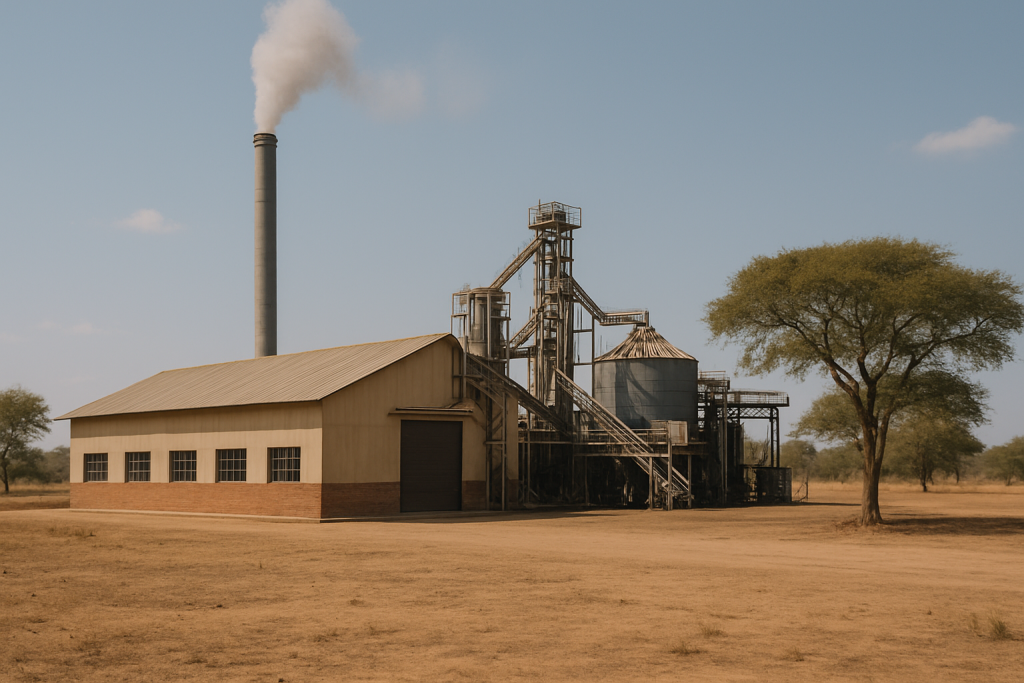
Zambia’s industrial revolution is gaining momentum, presenting a vast landscape of opportunities for entrepreneurs, especially in the manufacturing sector. The rise in 100% Foreign Direct Investment (FDI) policies is a significant driver of this growth. Entrepreneurs willing to venture into manufacturing can leverage these opportunities for substantial gains. However, a strategic approach is essential for success in this evolving economic climate.
Understanding the Zambian Manufacturing Landscape
Key Sectors and Opportunities
The Zambian government prioritizes the manufacturing sector, recognizing it as a viaduct for economic diversification. Strategic initiatives focus on industries like agro-processing, textiles, and mineral processing. These sectors offer abundant opportunities for entrepreneurs, thanks to Zambia’s rich natural resource base. For instance, agro-processing benefits from a thriving agricultural sector, while the country’s mineral wealth supports mineral processing industries.
Government Policies and Incentives
Zambia’s government has implemented policies to boost manufacturing growth. These include tax incentives, rebates, and 100% FDI allowances. The Multi-Facility Economic Zones (MFEZ) play a crucial role, offering modern infrastructure and tax breaks. Entrepreneurs must understand these policies thoroughly to maximize their impact and align investments accordingly.
Steps to Establish a Manufacturing Enterprise
Conducting Market Research
Understanding the market is the first step. Entrepreneurs should conduct in-depth market research to identify demand trends, competition, and customer preferences. Tools such as surveys, focus groups, and data analytics can provide valuable insights. In Zambia, sectors like textiles show rising demand, influenced by regional trade dynamics.
Strategic Business Planning
A robust business plan is critical. It should outline operational strategies, financial projections, and scalability plans. Entrepreneurs need to incorporate risk management strategies, highlighting potential challenges like supply chain disruptions and fluctuating commodity prices. Leveraging local partnerships can enhance business models, offering network and distribution advantages.
Overcoming Challenges in the Manufacturing Sector
Infrastructure Development
Zambia’s infrastructure development has seen steady progress, but challenges remain. Transportation and electricity supply are critical issues. Entrepreneurs should engage in public-private partnerships to address these concerns. Collaborating with local government bodies can facilitate access to infrastructural resources, enhancing operational efficiency.
Sourcing Skilled Labor
The availability of skilled labor is vital for manufacturing success. Entrepreneurs should invest in training programs, collaborating with educational institutions to develop tailored curriculums. Integrating technology in operations can also mitigate labor skill gaps, enhancing productivity and product quality.
Leveraging Technology and Innovation
Embracing Technological Advancements
Technology plays a pivotal role in modern manufacturing. Entrepreneurs should embrace innovations like automation, IoT, and data analytics to drive efficiency. For example, smart manufacturing solutions can optimize production processes, reduce waste, and enhance product quality.
Investing in Research and Development
Continuous innovation is essential for staying competitive. Entrepreneurs should allocate resources to research and development. Collaborating with local and international research institutions can provide access to new technologies and expertise, fueling product development and market expansion.
Conclusion
Entrepreneurs in Zambia have a golden opportunity to thrive amidst the ongoing industrial revolution, driven by favorable policies and market opportunities. By understanding the market, developing strategic plans, overcoming infrastructure and labor challenges, and leveraging technology, they can position themselves for success. The key is to act decisively and innovate continuously, ensuring long-term growth and profitability.