.png)
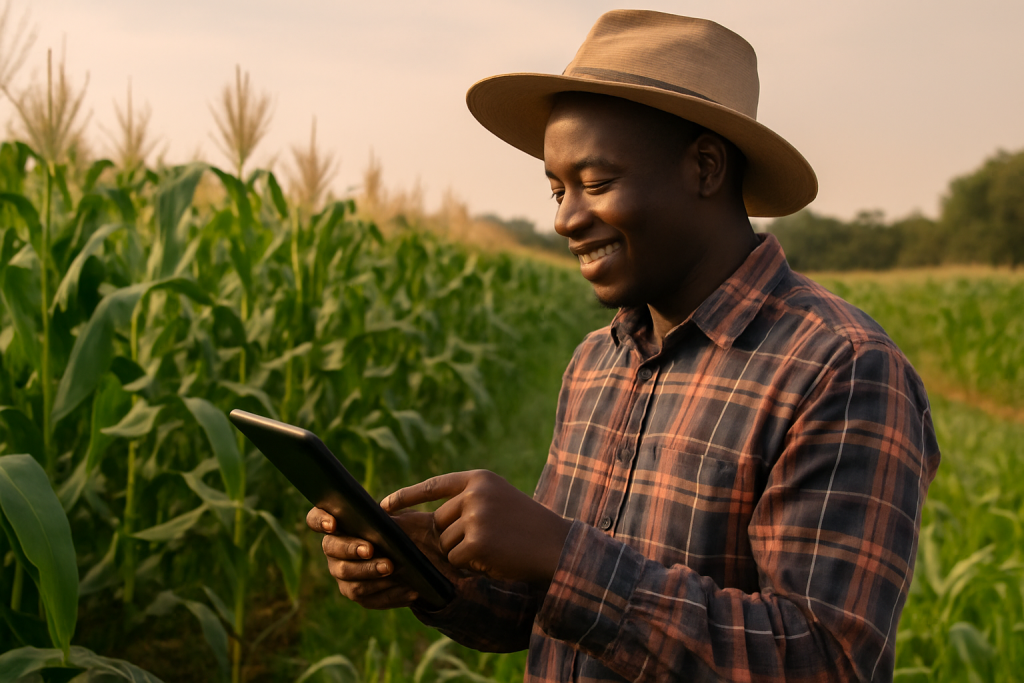
Zambia’s agriculture sector in 2025 faces a turning point. As climate risks increase and productivity declines, farm management software is no longer optional—it’s essential. With agriculture’s GDP contribution shrinking from 10% in 2011 to just 3% in 2020, despite employing over two-thirds of Zambia’s workforce, agro-businesses must modernize to survive.
The devastating 2023/2024 El Niño drought affected more than 1 million hectares of cropland and slashed maize yields by up to 40%. Meanwhile, current yields remain worryingly low: maize (1.8 MT/ha), rice (1.33), groundnuts (0.66), soybeans (1.12), and sunflower (0.37). Farm management software offers a practical solution—boosting productivity, profitability, and resilience.
Challenges Facing Zambia’s Agricultural Sector
Over 80% of Zambia’s agricultural output comes from smallholder farmers, yet most still use outdated practices. Limited access to high-quality seeds, fertilizers, irrigation, and mechanization hinders growth. Post-harvest losses and poor storage compound the problem.
Only 5.7% of cultivated land is irrigated, despite abundant groundwater. Women—who make up 78% of the agricultural labor force—face even greater barriers to accessing tools, finance, and markets. On top of this, Zambia invests just 0.51% of agricultural GDP in research and only 2.9% of total imports go toward ICT equipment.
These factors leave Zambia cultivating less than 14% of its 40 million arable hectares, making the case for digital solutions more urgent than ever
The Global Shift: Digital Tools Reshaping Farming
Worldwide, digital agriculture is transforming how food is grown. From drones to mobile apps, technology is helping farmers reduce waste, predict threats, and boost yields. Precision agriculture divides fields into zones for customized input application, optimizing fertilizer use and minimizing fuel costs.
Software platforms can increase productivity by up to 20%. In Africa, AgriTech has the potential to raise crop yields by 30% and cut post-harvest losses in half. Apps like iCow (Kenya) and Farmerline (Ghana) are helping smallholders access market prices, weather alerts, and agronomic advice on their phones.
Zambia’s Readiness for Digital Agriculture
The good news? Zambia is better positioned than ever to embrace farm software.
✔️ 80% of smallholder farmers use mobile phones** ** ✔️ Mobile money is widely accepted for input purchases and produce sales** ** ✔️ Network coverage is growing, thanks to providers like MTN, Airtel, and Zamtel
However, challenges remain. Many rural areas still rely on 2G networks, limiting software capabilities. ICT investment is low. Yet local innovation hubs—like Bongo Hive and E-Msika—are stepping in to fill the gap, offering training, market platforms, and digital tools.
Benefits of Farm Management Software for Zambian Farmers
1. Lower Costs and Better Resource Use
Farm software can reduce time spent on paperwork by up to 50%. It automates schedules, record-keeping, and labor assignments. With fertilizer prices rising, the software helps optimize input use based on soil data, crop value, and yield potential.
2. Stronger Financial Planning
With built-in finance tools, farmers can track income, expenses, and profitability by crop. These insights improve decision-making, uncover losses, and enable farmers to apply for loans using digital records as proof of viability.
3. Market Access and Price Optimization
Farmers get real-time market data, allowing them to sell when prices peak. Platforms also help bypass middlemen, connecting producers directly to buyers and building trust through traceability
Boosting Efficiency Through Automation
Manual farming processes waste time and money. Farm management software helps by:
-
Centralizing data and operations
-
Assigning and tracking tasks for workers
-
Automating irrigation and pest treatment schedules
-
Enabling remote monitoring via mobile devices
Using Variable Rate Technology (VRT), farmers can apply water, fertilizer, and pesticides precisely where needed. This reduces input costs and increases yields
Climate Resilience in a Changing Zambia
Zambian farmers must adapt to weather extremes. Software platforms provide:
✔️ Advanced weather forecasts and alerts** ** ✔️ Predictive analytics for pest and disease outbreaks** ** ✔️ Real-time satellite monitoring of crop health
By switching from reactive to proactive farming, agro-businesses can avoid disasters and protect their crops from drought, floods, and infestations.
Proven Success: What’s Working in Zambia and Beyond
-
Agripredict: A Zambian startup that identifies crop diseases and offers weather forecasts via mobile. It has helped 22,000+ farmers reduce losses and improve decisions.
-
East-West Seed: Using farm software across six countries to manage 35+ crops and 21,000+ hectares.
-
2Scale (Côte d’Ivoire): Boosted rice miller performance and farmer registration using digital platforms.
-
Kenya’s DVA Model: Trained 3,600+ digital advisors to provide farm extension services via apps.
Market Integration and Financial Inclusion
Digital agriculture connects farmers with entire value chains. Benefits include:
-
Direct buyer connections through e-marketplaces
-
Transparent pricing and digital receipts
-
Integrated traceability for export readiness
-
Easier access to loans and insurance using digital records
Farm software can also sync with mobile money platforms, helping farmers manage payments, budgeting, and transactions.
How to Roll Out Farm Software in Zambia
To succeed, Zambia needs:
-
Mobile-first solutions that work even on basic 2G phones
-
Farmer training and extension support, using cooperatives and NGOs
-
Gradual rollout, starting with basics like SMS reminders and crop tracking
-
Financial subsidies to help smallholders afford software
-
Locally tailored content, including pest threats, seed types, and regional weather data
What’s Next for Zambia’s Digital Agriculture?
New technologies are emerging fast:
-
AI & Machine Learning for smarter forecasts and harvest timing
-
IoT sensors to monitor crops and soil in real time
-
Blockchain for traceable, premium-grade exports
-
Embedded finance to unlock credit and insurance access
With growing success stories, Zambia is poised to lead in digital farming—if it moves quickly.
Conclusion
In 2025, farm management software is not just an upgrade. It’s a necessity.
From climate risk to market access, Zambian agro-businesses face enormous pressure. But the right software solutions offer an all-in-one fix: better yields, smarter planning, stronger resilience, and higher profits. With mobile tools, even the smallest farmers can tap into the benefits of precision farming.
For Zambia, the real question isn’t whether to adopt farm software. It’s how fast we can scale it.